A Gateway to Cultural and Economic Exchange
In recent years, Vietnam has become an increasingly popular destination for international travelers due to its rich cultural heritage, breathtaking landscapes, and growing modernity. As part of its efforts to boost tourism and international cooperation, the Vietnamese government has implemented a visa exemption policy for certain foreign nationals. This initiative not only encourages visitors but also strengthens Vietnam’s global presence as a tourist-friendly country. In this article, we will explore Vietnam’s visa exemption policy, its benefits, and its impact on both tourists and the local economy.
Overview of the Visa Exemption Policy
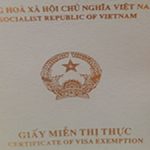
The visa exemption policy, or visa waiver program, allows citizens of certain countries to enter Vietnam without obtaining a visa for short stays. This exemption typically ranges from 14 to 30 days, depending on the traveler’s nationality. The policy is part of Vietnam’s broader strategy to simplify entry procedures and make the country more accessible to foreign visitors.
As of 2024, nationals from around 24 countries enjoy visa-free entry into Vietnam. Some of the most notable countries on this list include Japan, South Korea, the United Kingdom, France, Germany, and ASEAN member states such as Thailand, Singapore, and Malaysia. Visitors from these countries can explore Vietnam for business, tourism, or family visits without the need for a pre-arranged visa, provided they adhere to the stipulated length of stay.

Benefits for Foreign Visitors
Cost Savings: One of the most obvious benefits of the visa exemption policy is that it eliminates the cost of applying for a visa. Tourists can allocate their travel budget to other experiences, such as exploring Vietnam’s culinary scene or visiting iconic landmarks like Ha Long Bay and the ancient town of Hoi An.
Simplified Travel Planning: With no need to navigate complicated visa procedures, travelers from exempt countries can make last-minute decisions to visit Vietnam. This flexibility is particularly appealing to tourists on regional trips across Southeast Asia, as they can add Vietnam to their itinerary with ease.
Extended Stays: While the exemption period is limited, many travelers are able to extend their stay by applying for a visa once they are in the country. This gives visitors the chance to experience more of Vietnam’s diverse regions, from the bustling cities of Hanoi and Ho Chi Minh City to the serene Mekong Delta and Central Highlands.
Cultural Immersion: Visa-exempt tourists can take advantage of the opportunity to immerse themselves in Vietnamese culture. With fewer bureaucratic hurdles, they are free to explore the nation’s vibrant traditions, festivals, and historical sites without time constraints.
Economic Impact on Vietnam
The visa exemption policy has proven to be an effective tool for boosting Vietnam’s tourism industry, which is a critical driver of the country’s economy. In 2019, prior to the COVID-19 pandemic, Vietnam welcomed over 18 million international tourists, contributing billions of dollars to the nation’s GDP. By reducing visa barriers, Vietnam makes itself more attractive to potential visitors, which in turn spurs growth in various sectors of the economy.
Tourism Revenue: The increase in international visitors directly benefits the country’s tourism-related industries, such as hospitality, transportation, and entertainment. Hotels, restaurants, and travel agencies see a significant rise in business, particularly in popular tourist destinations like Da Nang, Phu Quoc, and Nha Trang.
Job Creation: As tourism flourishes, more job opportunities are created for locals. From tour guides and hotel staff to restaurant workers and taxi drivers, the demand for services grows in tandem with the number of visitors. The expansion of the tourism sector helps to alleviate poverty in rural areas where tourism plays a pivotal role in the local economy.
Infrastructure Development: To accommodate the growing influx of foreign tourists, Vietnam has made substantial investments in its infrastructure. Airports, roads, and public transport systems have been upgraded, and new hotels and resorts are being built across the country. These improvements not only benefit tourists but also enhance the quality of life for locals.
Cultural Exchange: The visa exemption policy also promotes cultural exchange between Vietnam and other nations. Foreign visitors bring with them new ideas, perspectives, and customs, fostering mutual understanding and cooperation. This cultural exchange extends beyond tourism, impacting education, business, and diplomacy.

Challenges and Considerations
While the visa exemption policy has many benefits, it is not without challenges. One potential concern is the impact of overtourism on Vietnam’s environment and cultural heritage. Popular tourist destinations like Ha Long Bay and Hoi An have experienced issues with overcrowding, pollution, and the degradation of historical sites due to the sheer volume of visitors.
To mitigate these effects, Vietnam has implemented sustainable tourism initiatives aimed at preserving its natural and cultural treasures. Eco-friendly tourism programs and responsible travel campaigns encourage visitors to minimize their environmental footprint and respect local traditions.
Additionally, the visa exemption policy applies only to short-term stays. Visitors wishing to stay longer or engage in business activities still need to apply for a visa or permit, which can involve navigating bureaucratic processes. This limitation may deter some long-term travelers or entrepreneurs from considering Vietnam as a destination for extended work or leisure.
The Future of Vietnam’s Visa Exemption Policy
As Vietnam continues to reopen and recover from the impact of the COVID-19 pandemic, the visa exemption policy remains an essential element of its tourism strategy. The government is exploring the possibility of expanding the program to include more countries, thereby attracting a broader range of tourists. Additionally, Vietnam is considering increasing the length of visa-free stays for certain nationalities to further boost tourism numbers.
At the same time, Vietnam is looking to balance the economic benefits of increased tourism with the need to protect its environment and cultural heritage. Sustainable tourism practices, alongside the expansion of the visa exemption policy, are key to ensuring that Vietnam remains a top destination for international travelers while preserving the natural beauty and cultural integrity that make it unique.
Conclusion
Vietnam’s visa exemption policy is a testament to the country’s commitment to becoming a leading global tourist destination. By simplifying entry requirements for foreign visitors, Vietnam opens its doors to millions of travelers, driving economic growth and fostering cultural exchange. While challenges remain, the benefits of the policy far outweigh the drawbacks, making it a pivotal element of Vietnam’s tourism strategy in the years to come. As the country continues to welcome the world, both tourists and locals stand to gain from the opportunities created by this forward-thinking initiative.